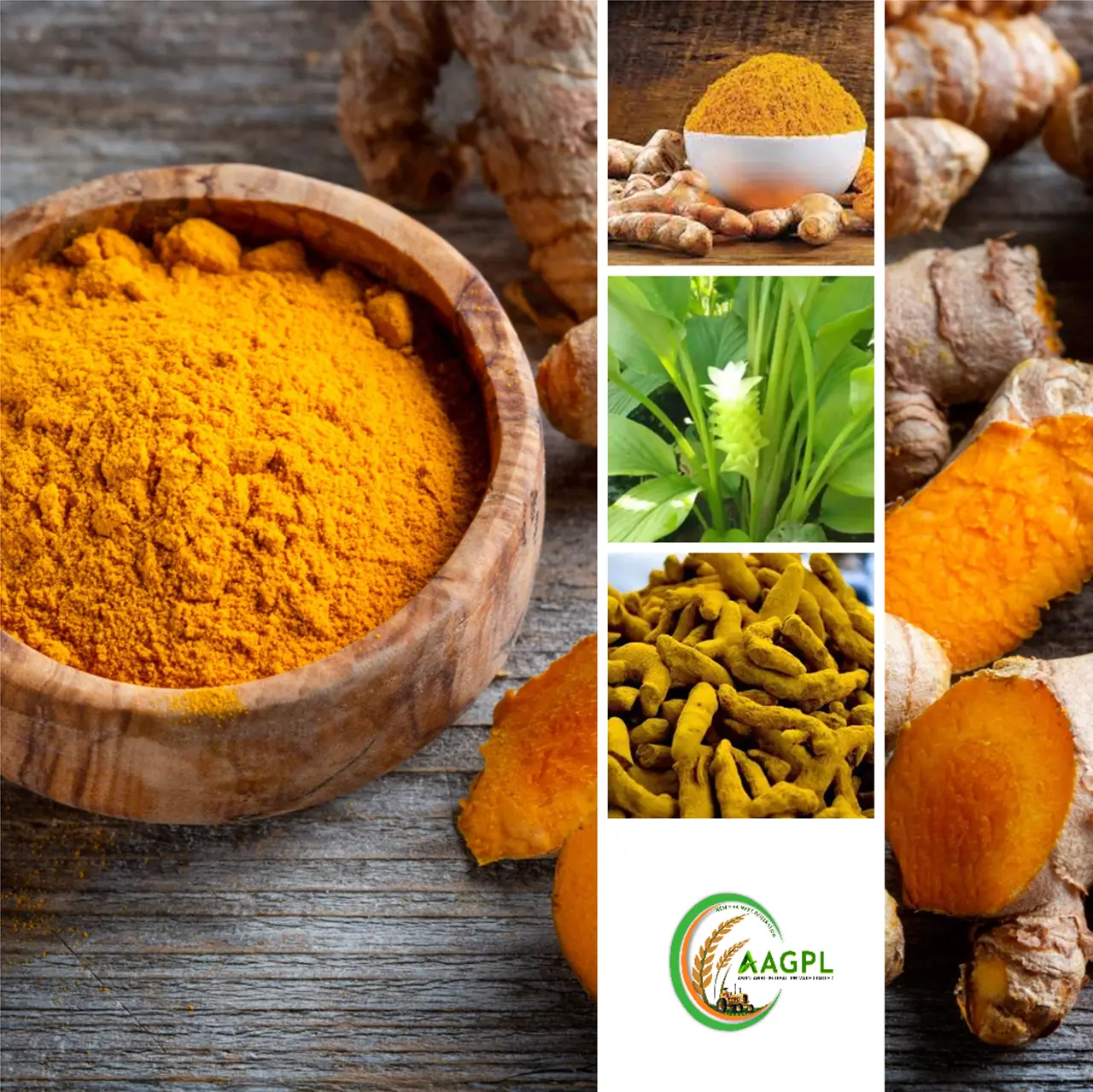
Health Benefits of Turmeric
The National Turmeric Board will provide leadership on turmeric-related matters, augment the efforts, and facilitate greater coordination with the Spices Board and other Government agencies in the development and growth of the turmeric sector.
There is significant potential and interest worldwide in the health and wellness benefits of turmeric, which the Board will leverage to increase awareness and consumption further, develop new markets internationally to increase exports, promote research and development into new products, and develop our traditional knowledge for value-added turmeric products. It will especially focus on turmeric growers’ capacity building and skill development for harnessing greater benefits out of value addition. The Board will also promote quality and food safety standards and adherence to such standards. The Board will also take steps to further safeguard and usefully exploit turmeric’s full potential for humanity.
The activities of the Board will contribute towards greater well-being and prosperity of the turmeric growers through their focused and dedicated attention to the sector and the larger value addition closer to the farms, which would provide better realization to the growers for their produce. The Board’s activities in research, market development, increasing consumption, and value addition will also ensure that our growers and processors continue to maintain their pre-eminent position in the global markets as exporters of high-quality turmeric and turmeric products.
India is the largest producer, consumer, and exporter of turmeric in the world. In the year 2022-23, an area of 3.24 lakh ha was under turmeric cultivation in India with a production of 11.61 lakh tonnes (over 75% of global turmeric production). More than 30 varieties of Turmeric are grown in India and it is grown in over 20 states in the country. The largest producing states of Turmeric are Maharashtra, Telangana, Karnataka, and Tamil Nadu. India has more than 62% share of world trade in turmeric. During 2022-23, 1.534 lakh tonnes of turmeric and turmeric products valued at 207.45 million USD were exported by more than 380 exporters The leading export markets for Indian Turmeric are Bangladesh, UAE, USA, and Malaysia. With the focused activities of the Board, it is expected that turmeric exports will reach USD 1 Billion by 2030.
A relative of ginger, this vivid yellow-orange spice is common in Indian, Southeast Asian, and Middle Eastern cooking. It’s also been used as medicine in places like India for centuries to treat issues such as breathing problems. Lately, turmeric has been touted as a superfood that can fight cancer, ease depression, and more.
1. Depression: Turmeric contains curcumin, which has shown the potential in easing depression symptoms and potentially enhance the effects of antidepressant medications. However, research results are mixed, and more studies are needed to establish its effectiveness definitively.
2. Type 2 Diabetes: Curcumin in turmeric may help in managing blood sugar levels and combating inflammation, which is beneficial for diabetes prevention and management. Research has shown promising results in animal studies, but human studies are ongoing.
3. Viral Infections: Curcumin has demonstrated antiviral properties in laboratory studies, potentially aiding in combating viral infections such as herpes and influenza. However, its effectiveness in humans requires further investigation.
4. Premenstrual Syndrome (PMS): Some studies suggest that curcumin supplements could alleviate symptoms of PMS, including mood swings and menstrual cramps. More research is necessary to confirm these findings.
5. High Cholesterol: Turmeric might help lower LDL (“bad”) cholesterol levels, which could benefit heart health. However, the evidence is mixed, and more robust studies are needed to establish its efficacy.
6. Alzheimer’s Disease: Turmeric’s anti-inflammatory properties may theoretically benefit Alzheimer’s patients by reducing brain inflammation. While animal and laboratory studies are promising, clinical evidence in humans is limited and inconclusive.
7. Arthritis: Turmeric has shown potential in reducing joint pain and inflammation, particularly in conditions like arthritis. Combining turmeric with black pepper may enhance the absorption of curcumin, improving its effectiveness.
8. Cancer:Laboratory studies suggest that turmeric may inhibit the growth of cancer cells and enhance the activity of detoxifying enzymes. However, its role in cancer prevention or treatment in humans remains uncertain and requires further investigation.
9. Irritable Bowel Syndrome (IBS): Early research indicates that turmeric may alleviate symptoms of IBS, such as abdominal pain and discomfort. More studies are necessary to validate these findings and explore its potential for other gastrointestinal disorders.
10. Headaches and Acne: While turmeric is sometimes recommended for treating headaches and acne due to its anti-inflammatory and antibacterial properties, scientific evidence supporting these uses is currently lacking.
while turmeric shows promise in various health applications, much of the existing research is preliminary or based on animal and laboratory studies. More rigorous clinical trials are needed to better understand its effectiveness, optimal dosage, and potential interactions with medications. As with any supplement or treatment, it’s advisable to consult healthcare professionals before incorporating turmeric into your health regimen, especially for therapeutic purposes.