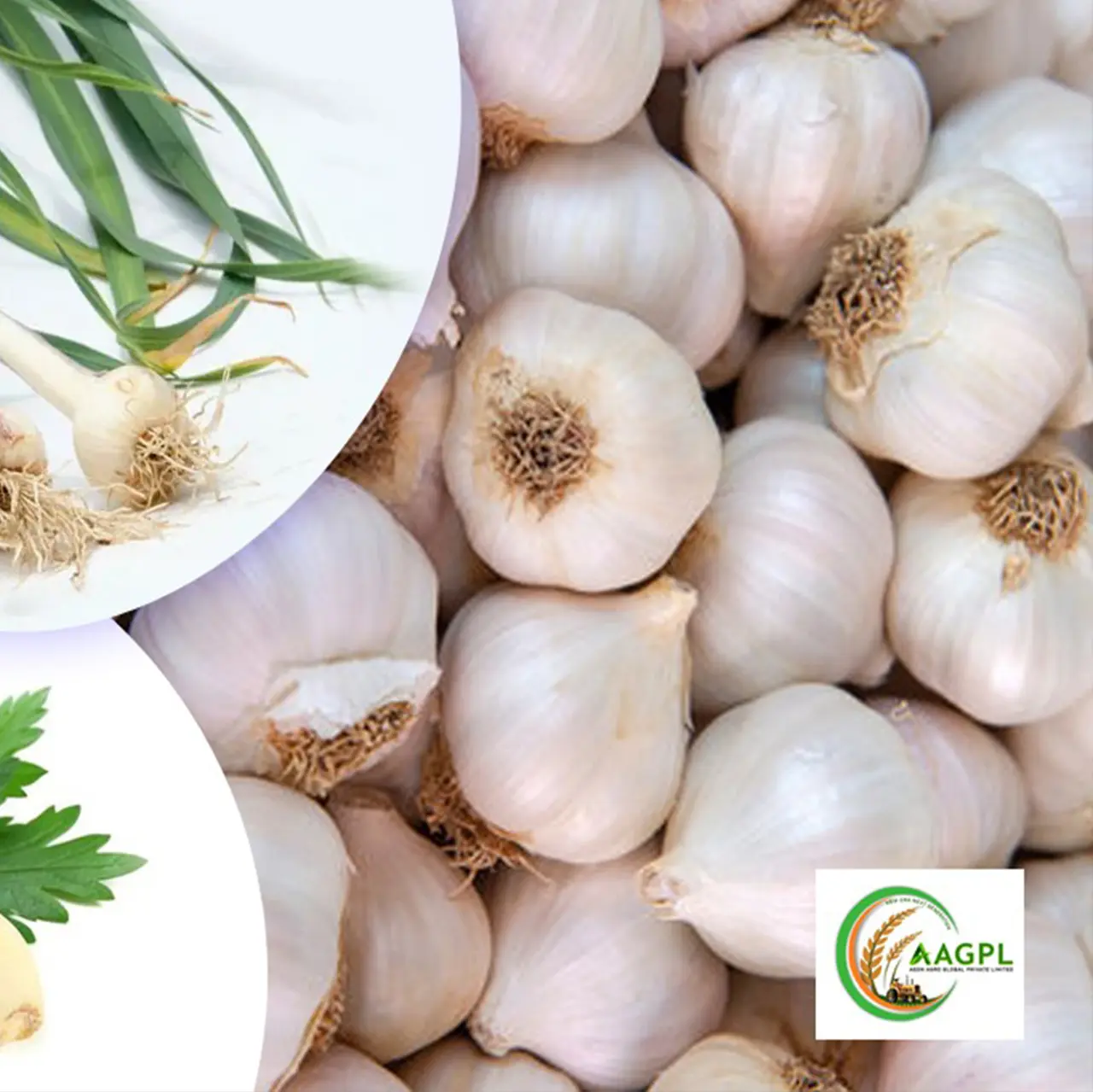
Garlic
About Garlic
- Cultivation: Garlic is cultivated in various regions across India,Murshidabad, located in the Gangetic plains of West Bengal, experiences a subtropical climate. The soil is typically fertile and well-drained, which is conducive to garlic cultivation, including Punjab, Gujarat, Uttar Pradesh, Rajasthan, and Madhya Pradesh. The crop is typically planted in October-November and harvested in February-March.Organic garlic is grown without the use of synthetic pesticides, herbicides, fertilizers, or genetically modified organisms (GMOs). Instead, organic farmers rely on natural methods of pest and weed control, such as crop rotation, companion planting, and organic-approved pest management practices.
- Cultivation Practices:
- Land Preparation: Before planting, the land is prepared by plowing and leveling to ensure proper drainage and aeration.
- Planting: Garlic cloves are planted about 5-7 cm deep and 10-15 cm apart in rows. Clove size and quality are crucial determinants of yield.
- Fertilization: Organic manures like farmyard manure (FYM) or compost are often applied before planting to improve soil fertility.
- Irrigation: Adequate irrigation is essential, especially during the initial stages of growth and bulb formation. Farmers may use drip irrigation systems to conserve water and ensure precise moisture control.
- Weed Control: Regular weeding is necessary to prevent competition for nutrients and ensure healthy garlic growth.
- Harvesting: Garlic is typically ready for harvest around 5-6 months after planting, depending on the variety and local conditions. Harvesting is usually done from March to April when the leaves start turning yellow and dry.
Varieties: Profit-seeking middlemen pose the greatest obstacle to boosting farmers’ income in India. Commission agents, traders, and wholesalers take a sizable portion of farmers’ profits.
- Post-Harvest Handling: After harvesting, garlic bulbs are dried in the field for a few days to reduce moisture content and improve storage quality. They are then cleaned and sorted before being packed for sale or storage.
- Flavor and Aroma: Indian garlic is known for its pungent aroma and strong flavor, which adds distinctive taste to Indian cuisine.
- Nutritional Value: Like garlic varieties worldwide, Indian garlic is rich in nutrients such as vitamins (particularly vitamin C and B6), minerals (including manganese and selenium), and antioxidants. It is also known for its potential health benefits, such as boosting the immune system and reducing blood pressure.
- Culinary Uses: Indian garlic is a staple ingredient in Indian cooking, used in both raw and cooked forms. It is often added to curries, rice dishes, pickles, chutneys, and various spice blends (masalas). It can also be used medicinally in Ayurvedic treatments.
- Market and Export: India produces a significant amount of garlic, both for domestic consumption and export. It exports garlic to countries such as the United States, United Arab Emirates, and Saudi Arabia, among others.
- Medicinal Properties: In traditional Indian medicine (Ayurveda), garlic is valued for its medicinal properties, such as its ability to improve digestion, alleviate respiratory issues, and promote overall well-being. Organic garlic is perceived to have higher nutritional value and flavor compared to conventionally grown garlic due to the absence of synthetic chemicals. Additionally, organic farming practices promote environmental sustainability by reducing pollution, conserving water, and supporting biodiversity.